
Desserts
Rosca de Reyes: Celebrate Tradition with Sweet Joy & Surprise!
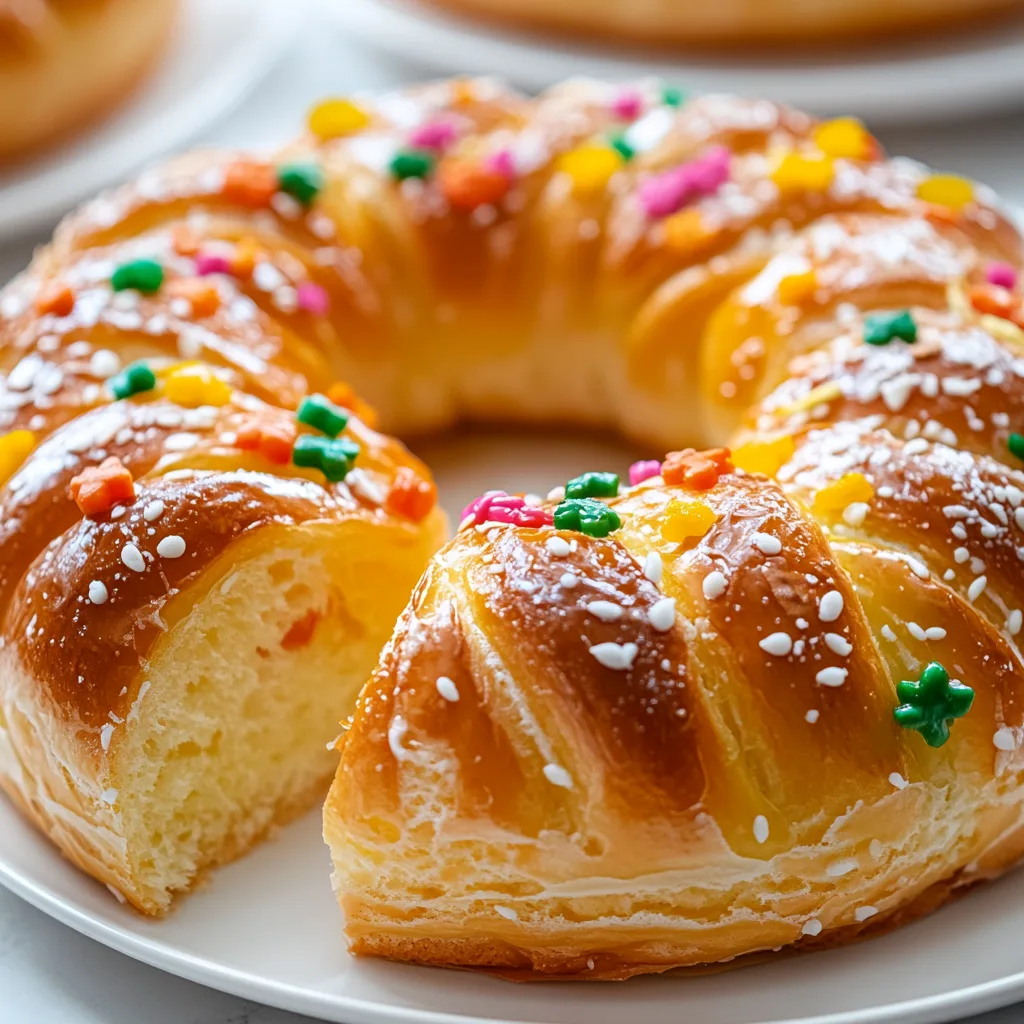
Rosca de Reyes brings the magic of Epiphany to your kitchen with its crown-like shape and vibrant candied fruits that glitter like jewels across the top. This traditional sweet bread celebrates the arrival of the Three Kings and has been part of my family’s January 6th celebration for as long as I can remember. The moment that warm, aromatic bread comes out of the oven, my home fills with the scent of orange blossom and anise that instantly transports me back to childhood gatherings around my abuela’s table. If you’re looking for a meaningful holiday treat that’s as beautiful as it is delicious, this Rosca de Reyes recipe is your perfect winter baking project.
Table of Contents
Recipe
Why You’ll Love This Rosca de Reyes
A Bread Steeped in Tradition
The Rosca de Reyes (Kings’ Ring) isn’t just delicious—it’s a cultural centerpiece with deep meaning. The oval shape represents a crown, while the colorful candied fruits symbolize the jewels adorning it. Hidden inside is a small baby figurine representing baby Jesus, and whoever finds it in their slice hosts the next gathering! I love how this bread connects generations through shared tradition. My grandmother would always let me help arrange the candied fruits when I was little, carefully placing each “jewel” just so. The bread’s subtle hints of orange and anise create an aroma that’s unmistakably festive.
Perfect Balance of Flavors and Textures
What makes Rosca de Reyes truly special is its perfect texture—soft and pillowy inside with a slightly crisp, golden exterior. The dough has a delicate sweetness enhanced by orange zest and a whisper of anise that doesn’t overwhelm. I’ve perfected this recipe through many January baking sessions, finding that balance between rich and light. The contrast between the tender bread and chewy candied fruits creates an irresistible bite every time. When you tear into a warm slice, the steam carries that intoxicating aroma that makes waiting until the bread cools completely nearly impossible!
Essential Tips & Tricks
Mastering the Dough
The heart of a perfect Rosca de Reyes lies in its properly proofed dough. I’ve found that patience truly pays off here—allow at least 1-2 hours for the first rise in a warm spot until doubled in size. The texture should be soft and slightly tacky but not sticky. When kneading, look for that magical moment when the dough becomes smooth and elastic, pulling away from the bowl cleanly. I like to add the orange zest directly to the sugar before mixing, which releases the essential oils and infuses the entire dough with that bright citrus flavor that makes this holiday bread so special.
Decorating for Maximum Impact
The decoration is where your Rosca de Reyes truly becomes a showstopping centerpiece. Traditional toppings include strips of candied citrus, cherries, and figs, but I’ve found that dried apricots and cranberries work beautifully too. Arrange your fruits in a pattern before the second rise, gently pressing them into the dough. For that professional bakery shine, brush with egg wash twice—once before adding decorations and again just before baking. The sugar paste strips should be placed in a crisscross pattern between fruits. Don’t forget to insert the plastic baby figurine from the bottom after baking to avoid melting!
Serving Ideas & Creative Variations
Traditional Pairings
Rosca de Reyes is traditionally enjoyed with hot chocolate, creating a perfect sweet-on-sweet pairing that warms you from the inside out. In my family, we make Mexican-style chocolate with cinnamon and a touch of chili for a gentle heat that complements the bread’s subtle spices. Serve slices while still slightly warm, allowing the butter to melt ever so slightly when spread on top. For a more substantial offering, I sometimes pair it with savory dishes like a simple egg frittata, creating a beautiful contrast of flavors that makes for a memorable Epiphany breakfast or brunch gathering.
Modern Twists on Tradition
While I respect tradition, I also love creating personal variations on classic Rosca de Reyes. Try filling the dough with cream cheese or chocolate-hazelnut spread before shaping for a delightful surprise inside. For a fragrant twist, add cardamom or star anise to the dough. I’ve experimented with a citrus glaze drizzled over the cooled bread, which adds a tangy brightness that balances the sweetness perfectly. Another favorite adaptation is adding orange blossom water to the dough for an intensified floral aroma. These small personalized touches honor the tradition while making it uniquely yours.
Storage & Troubleshooting Guide
Keeping Your Rosca Fresh
To maintain your Rosca de Reyes at its best, proper storage is essential. When completely cooled, wrap it tightly in plastic wrap or store in an airtight container at room temperature for up to 3 days. The bread tends to dry out quickly, so if you won’t finish it within that time, slice and freeze portions in freezer bags for up to 3 months. To revive day-old bread, sprinkle with a few drops of water and warm in a 300°F oven for 5-10 minutes. This brings back that fresh-baked texture and reawakens the aromatic spices, making it almost as good as the first day.
Common Issues and Solutions
Even experienced bakers encounter challenges with Rosca de Reyes. If your dough isn’t rising properly, check that your yeast is fresh and your environment is warm enough. For a dense, heavy bread, you likely overworked the dough or added too much flour—remember that a slightly tacky dough produces the lightest texture. If your decorations fall off during baking, they weren’t pressed firmly enough into the dough before the second rise. For a bread that cracks during baking, you need deeper scoring before it goes in the oven. Don’t worry about small imperfections—they add character to your homemade creation!
Frequently Asked Questions
What is the significance of the baby figurine in Rosca de Reyes?
The baby figurine represents baby Jesus in hiding from King Herod. Whoever finds it in their slice becomes the “godparent” who hosts the next celebration (Día de la Candelaria) on February 2nd with tamales and hot chocolate.
Can I make Rosca de Reyes ahead of time?
Yes! Prepare the dough through shaping, then refrigerate overnight for a slow rise. Bring to room temperature for 30 minutes before decorating and baking. The slow fermentation actually improves flavor.
What if I don’t have candied fruit for my Rosca de Reyes?
Substitute with dried fruits like apricots, cranberries, or figs. You can also use nuts, citrus zest strips, or even colorful sugar for decoration. The important element is creating a festive, crown-like appearance.
How do I know when my Rosca is fully baked?
A properly baked Rosca de Reyes should be golden brown with an internal temperature of 190°F. When tapped on the bottom, it should sound hollow. If browning too quickly, tent with foil.
Can I make a gluten-free version?
Absolutely! Use a high-quality gluten-free flour blend with xanthan gum. The texture will be slightly different, but adding an extra egg helps with binding and moisture retention.
Final Thoughts
Creating a Rosca de Reyes is more than baking—it’s participating in a centuries-old tradition that brings people together. The process of kneading, shaping, and decorating this special bread becomes a meditation on connection and celebration. Each time I bake one, I feel the presence of generations before me in the kitchen. Whether you’re making your first Rosca or your fifteenth, remember that the true magic happens when you share it with others. For more seasonal recipes that bring warmth to winter gatherings, visit our Pinterest collection of holiday favorites.