

Soup

Minestrone e Fagioli Soup: Cozy, Hearty Flavor Explosion!

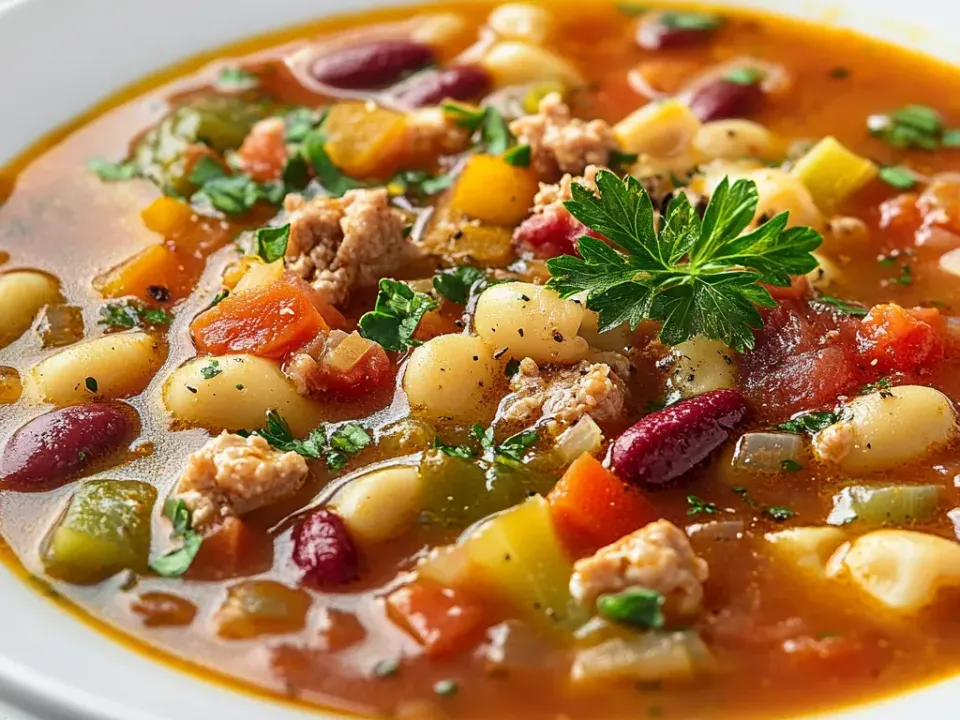
Minestrone e Fagioli Soup has been my winter salvation for years. There’s something magical about the way those tender beans melt into the rich tomato broth, creating a symphony of textures that dance on your tongue with each spoonful. When the temperatures plummet and my windows fog with condensation, I find myself reaching for my biggest pot to create this Italian classic. The combination of hearty vegetables, robust beans, and delicate pasta creates a meal that’s both nourishing and comforting in equal measure. If you’re looking for a soup that feels like a warm hug, you’ve found it at Recipes Darleen.

Table of Contents

Why You’ll Love This Minestrone e Fagioli Soup

A Complete One-Pot Meal

This isn’t just soup—it’s a complete nutritional powerhouse in a bowl. The combination of protein-rich cannellini beans, fiber-packed vegetables, and satisfying pasta creates a perfectly balanced meal that keeps you full for hours. I remember making this during a particularly brutal snowstorm last winter, and it sustained my family for days. The beauty lies in its versatility—you can adjust the vegetables based on what’s in your crisper drawer, making it an ideal recipe for reducing food waste. Plus, the flavors deepen overnight, making leftovers even more delicious.

Budget-Friendly Comfort Food

In these days of rising grocery prices, Minestrone e Fagioli Soup is a budget hero. Dried beans cost pennies compared to meat, and they create a wonderfully hearty texture that satisfies even dedicated carnivores. The base ingredients—carrots, celery, onions, and canned tomatoes—are pantry staples that won’t break the bank. My grandmother used to say this soup “stretches like elastic,” meaning you can always add another cup of broth and a handful of pasta to feed unexpected guests. It’s the kind of economical cooking that feels luxurious despite its humble ingredients, perfect for feeding a crowd without emptying your wallet.

Essential Tips & Tricks

Building Flavor Foundations

The secret to exceptional Minestrone e Fagioli Soup lies in the flavor foundation. Always start by sautéing your aromatic vegetables—onions, carrots, celery—until they’re soft and fragrant. This crucial step develops a depth that canned soups simply can’t match. Don’t rush this process; those 8-10 minutes of gentle cooking release natural sugars that transform your soup. I learned this the hard way after once trying to shortcut this step—the difference was immediately noticeable. Add a parmesan rind while simmering for an umami boost that elevates the entire pot. This simple addition creates a richness that will have everyone asking for your secret.

Texture Management Techniques

Achieving the perfect texture in Minestrone e Fagioli Soup requires attention to timing. Cook pasta separately and add it to individual bowls rather than the pot—this prevents the pasta from absorbing too much broth and becoming mushy. For beans, I prefer using half pre-cooked beans and half mashed beans, creating a naturally thickened broth without flour or cornstarch. My Italian neighbor taught me to reserve some of the bean cooking liquid (if using dried beans) to add back to the soup for extra creaminess. This approach creates a silky mouthfeel that balances perfectly with the chunky vegetables and creates that authentic Tuscan soup experience.

Serving Ideas & Creative Variations

Perfect Pairings and Garnishes

Minestrone e Fagioli Soup deserves thoughtful accompaniments that elevate its rustic charm. A crusty artisan bread for dipping is non-negotiable—I prefer a sourdough or ciabatta with a chewy interior and crackling crust. For garnishes, fresh-grated Parmigiano-Reggiano and a drizzle of high-quality olive oil create a restaurant-worthy presentation. Fresh herbs add brightness—basil in summer, rosemary in winter. My family’s favorite weekend tradition involves serving this soup with a simple antipasto platter of olives, roasted peppers, and thin-sliced prosciutto. The contrast between the warm soup and cool appetizers creates a memorable dining experience that turns a simple meal into an occasion.

Regional and Seasonal Adaptations

The beauty of Minestrone e Fagioli Soup lies in its adaptability to seasonal produce and regional preferences. In summer, I lighten it with fresh tomatoes, zucchini, and basil for a garden-fresh version. Winter calls for heartier additions like butternut squash, kale, and rosemary. For a Tuscan twist, add cavolo nero (Tuscan kale) and a splash of red wine. My Sicilian friend adds a pinch of red pepper flakes and fennel seeds for subtle heat and complexity. You can even create fusion versions—try adding curry spices for an Indian-Italian hybrid that works surprisingly well. The soup also pairs beautifully with hearty beef dishes for a complete feast.

Storage & Troubleshooting Guide

Optimal Storage Solutions

Minestrone e Fagioli Soup actually improves with time, making it perfect for meal prep. Store it in airtight containers in the refrigerator for up to 5 days—the flavors will continue to meld and deepen. For freezing, slightly undercook the vegetables and omit the pasta entirely (add fresh when reheating). I portion mine into silicone muffin trays before transferring to freezer bags, creating perfect single-serving portions that thaw quickly. When reheating, add a splash of fresh stock or water to loosen the consistency, as the soup tends to thicken considerably when stored. A fresh grating of parmesan and drizzle of olive oil revives the flavors beautifully.

Fixing Common Issues

Even experienced cooks encounter soup challenges, but most are easily remedied. If your Minestrone e Fagioli Soup tastes flat or bland, add acid—a splash of balsamic vinegar or lemon juice instantly brightens flavors. Too thin? Simmer uncovered to reduce, or mash some beans against the side of the pot. Too thick? Add more broth gradually until you reach desired consistency. If vegetables are undercooked but pasta is getting mushy, remove some soup, cook vegetables separately, then recombine. For overly salty soup (often from canned beans or stock), add a raw potato chunk while simmering—it will absorb excess salt before being removed.

Frequently Asked Questions

Can I make Minestrone e Fagioli Soup in a slow cooker?

Absolutely! Add all ingredients except pasta and fresh herbs to your slow cooker. Cook on low for 6-8 hours or high for 3-4 hours. Add pasta during the final 30 minutes, or cook separately and add when serving for best texture.

What’s the difference between Minestrone and Minestrone e Fagioli Soup?

Traditional minestrone contains various vegetables and sometimes pasta. Minestrone e Fagioli specifically highlights beans (“fagioli” in Italian) as a primary ingredient, creating a heartier, more protein-rich variation of the classic soup.

Can I use canned beans instead of dried?

Yes! Canned beans work perfectly and save significant time. Rinse them thoroughly to remove excess sodium and starch. Add them during the last 15-20 minutes of cooking to prevent them from becoming mushy.

Is this soup naturally vegetarian?

The base recipe is vegetarian if you use vegetable broth. For vegan Minestrone e Fagioli, simply omit the parmesan or substitute with nutritional yeast for a similar umami quality.

How can I make this soup more protein-rich?

Add Italian sausage, pancetta, or shredded rotisserie chicken for extra protein. For vegetarian options, try adding a parmesan rind while cooking or stirring in nutritional yeast before serving.

Final Thoughts

Minestrone e Fagioli Soup represents everything I love about home cooking—simple ingredients transformed into something greater than their parts through time, technique, and love. It’s the kind of recipe that becomes a cornerstone in your culinary repertoire, adapting to seasons and circumstances while always delivering comfort. I hope this soup brings the same warmth to your kitchen that it has to mine over the years. There’s something profoundly satisfying about carrying on this Italian tradition, ladling steaming bowls for loved ones on cold evenings. Don’t forget to check out more cozy recipes on Pinterest!