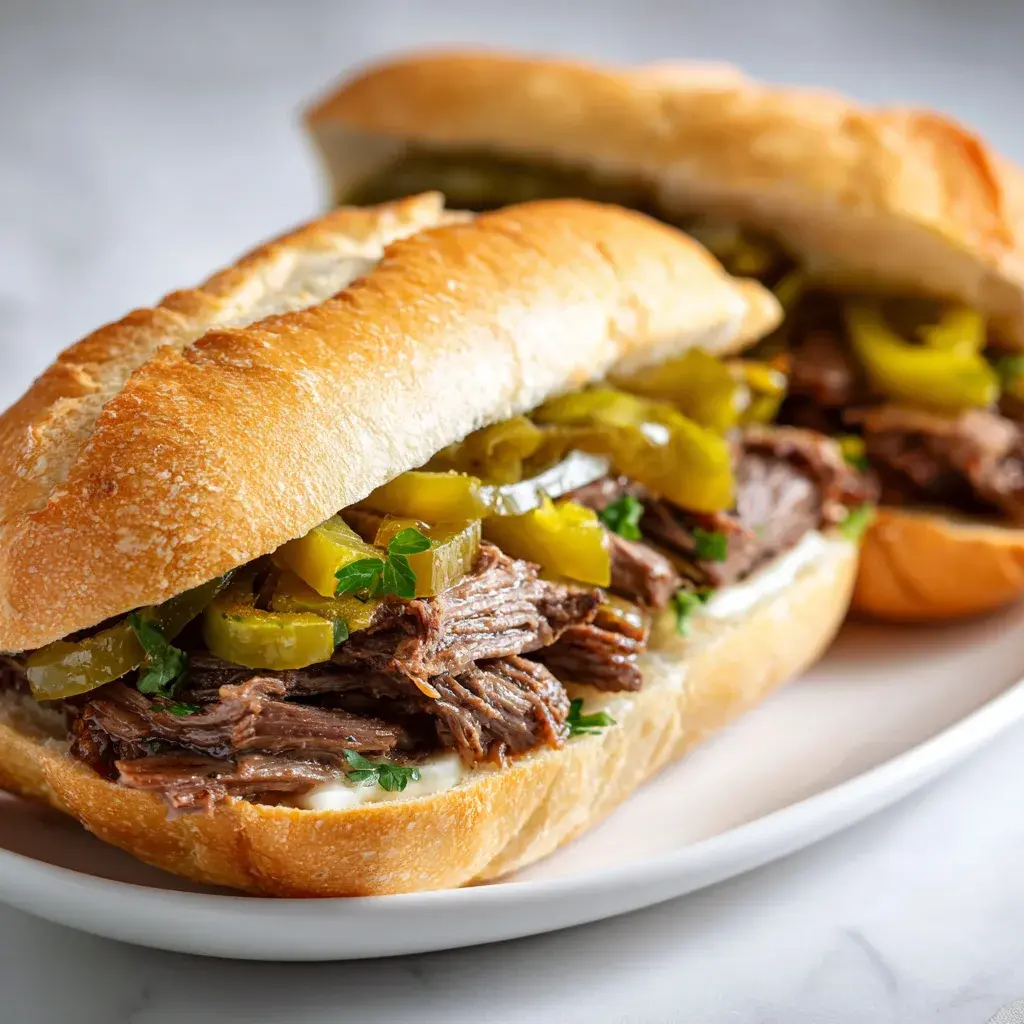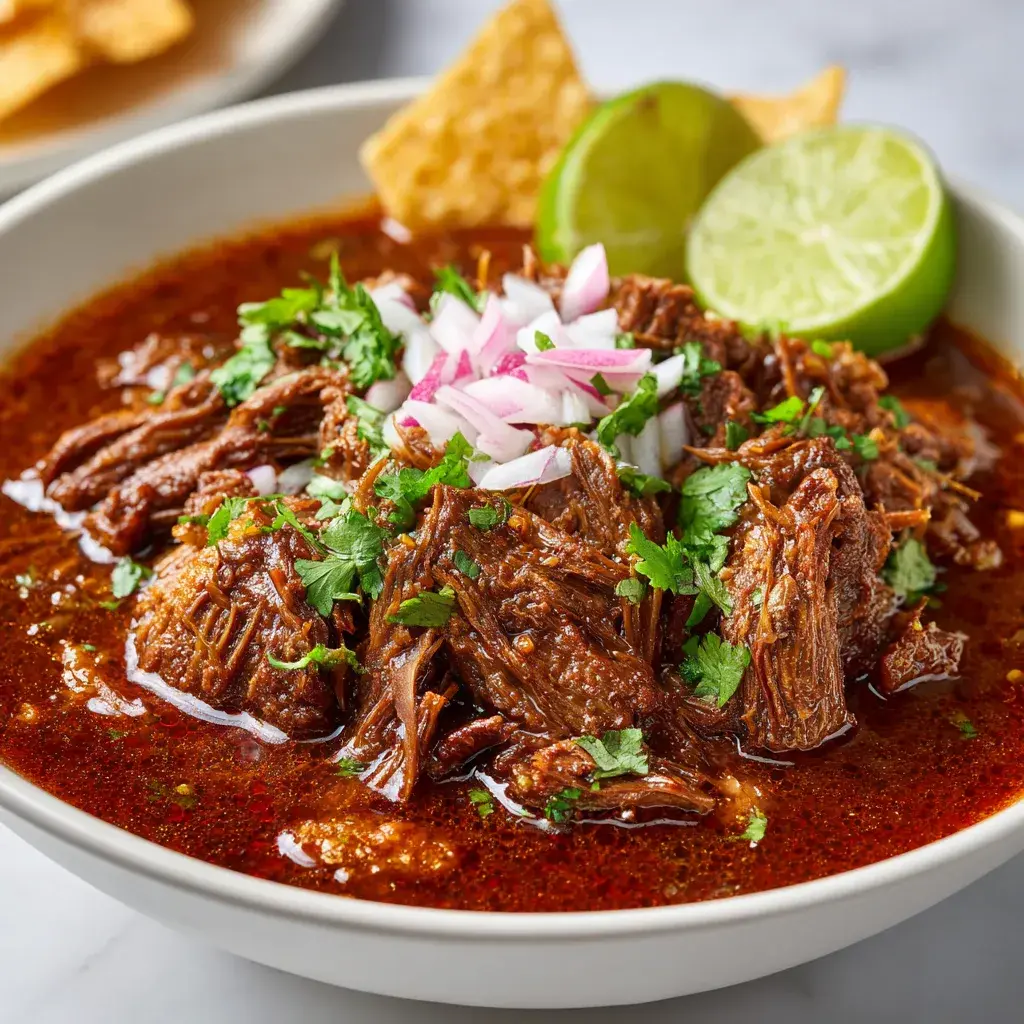

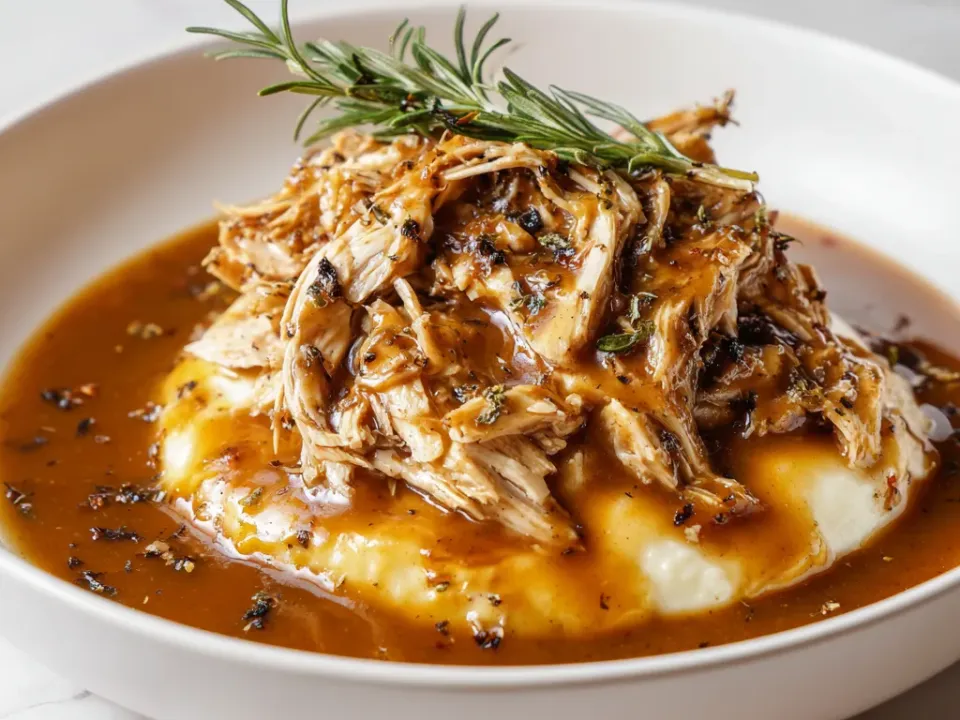
Chicken and gravy from the pantry: two cans, two packets, a cup of broth and some dried seasoning over chicken breasts.
Ten minutes of work, four to five hours on Low, and nothing that needs browning, chopping or fresh shopping.
Why This Recipe Works
- The gravy is finished before the chicken goes in, in the sense that the thickening and seasoning are already present. Nothing has to be reduced or corrected at the end, which is why this works unattended.
- Seasoning the chicken directly in step 1, before the gravy is poured over, means the meat itself is seasoned rather than just coated in something that is.
- Butter and cream cheese are offered as alternatives for a richer gravy and they behave differently — butter adds gloss and richness, cream cheese adds body and a slight tang. Neither is required.
- The cornstarch slurry is optional because the outcome genuinely varies. How much liquid the chicken releases depends on the cut and the crock, and the recipe is honest about that instead of pretending otherwise.
Where the Salt Lives
This recipe has no salt in its ingredient list except a line telling you to add it only if needed. That is unusual, and it is the single most useful thing to understand before you make it — almost all the seasoning arrives already dissolved in something you bought.
The two gravy packets2 packets, whisked in dry
Dry gravy mix is mostly salt, starch and savoury flavouring. Two packets across six servings is what makes this dish taste like gravy at all, and it is also why the recipe never asks you to salt it.
The two cans of condensed soup2 × 10.5 oz, condensed
Condensed soup is concentrated by definition — the water that would dilute it has been removed. It brings the body and a second layer of salt at the same time, which is why it is not interchangeable with a ready-to-serve can.
The broth, and why it is low-sodium1 cup, low-sodium
Use low-sodium broth, and this is the reason. With two packets and two cans already in the pot, regular broth pushes the finished gravy past the point where it is pleasant to eat.
Whatever you add yourselfTo taste, at the very end
Usually nothing. Taste first — gravy packets are salty; add only if needed. The practical consequence is that every substitution here moves the salt level, so a different brand of packet is worth tasting around.
Ingredient Notes
- Chicken gravy mix packets
- Two, and they are the backbone of the dish rather than a seasoning afterthought. Sizes vary between 0.87 and 1 ounce, and either works.
- Condensed cream of chicken soup
- Two 10.5-ounce cans. Condensed rather than ready-to-serve — a ready-to-serve can carries the water this recipe has deliberately left out.
- Low-sodium chicken broth
- One cup, and low-sodium for a reason. Everything else in the pot is already salted.
- Butter or cream cheese
- Optional, and they are not the same choice. Butter gives gloss, cream cheese gives body and a slight tang.
How to Make It
Season and load the chicken
Season the chicken lightly with the pepper, garlic powder and onion powder, and place it in the bottom of the slow cooker.
Whisk the gravy
In a bowl, whisk the cream of chicken soup, gravy packets and broth together until smooth. Stir in the thyme or poultry seasoning if using.
Cook
Pour the gravy mixture over the chicken, cover, and cook on Low 4 to 5 hours, or High 2 to 3, until the chicken reaches 165°F (74°C) and is very tender.
Shred
Shred the chicken directly in the crockpot, or slice it and return it to the gravy. Stir well.
Enrich, if you want to
For a richer gravy, stir in the butter or cream cheese until melted and smooth.
Thicken, if you need to
If the gravy is thin, mix the cornstarch and water into a slurry, stir it in, cover, and cook on High 10 to 15 minutes.
Season and serve
Taste and adjust with salt and pepper only if it needs it. Serve over mashed potatoes, rice, egg noodles or biscuits, with parsley.
Success Tips
- Whisk the gravy smooth in a bowl before it meets the chicken.
- Use low-sodium broth. It is the one place you can control the salt.
- Taste before adding any salt at all.
- Judge the thickness after shredding, since the chicken releases liquid as it goes in.
Serving Ideas
Mashed potatoes, rice, egg noodles or biscuits — the dish is really a gravy looking for a vehicle. Something green and plain alongside keeps the plate from being entirely beige and soft.
Storage and Reheating
Refrigerate
Refrigerate up to 4 days. The gravy thickens considerably once cold and loosens again with a splash of broth on reheating.
Freeze
Freezes up to 3 months if you leave out the optional cream cheese, which separates on thawing. Butter-enriched gravy freezes fine.
Reheat
Gently on the stove with a splash of broth, stirring. Starch-thickened gravies scorch on the bottom quickly over high heat.
Frequently Asked Questions
It came out too salty.
Almost always regular broth in place of low-sodium, or a saltier brand of packet. There is no way to remove salt, but serving it over unsalted mashed potatoes or rice dilutes it across the plate effectively — and next time, one packet instead of two.
Can I make it without the packets and cans?
You can, but you are then making a different recipe — a roux, stock and seasoning from scratch. The point of this one is that it is built from pantry staples and needs ten minutes. Be honest with yourself about which of those two dinners you actually want.
Thighs instead of breasts?
They work and they are more forgiving over four to five hours. They release a little more fat into the gravy, which most people count as an improvement. The 165°F target does not change.