

Desserts

Classic Baked Milk Pudding Recipe That Will Melt Your Heart!

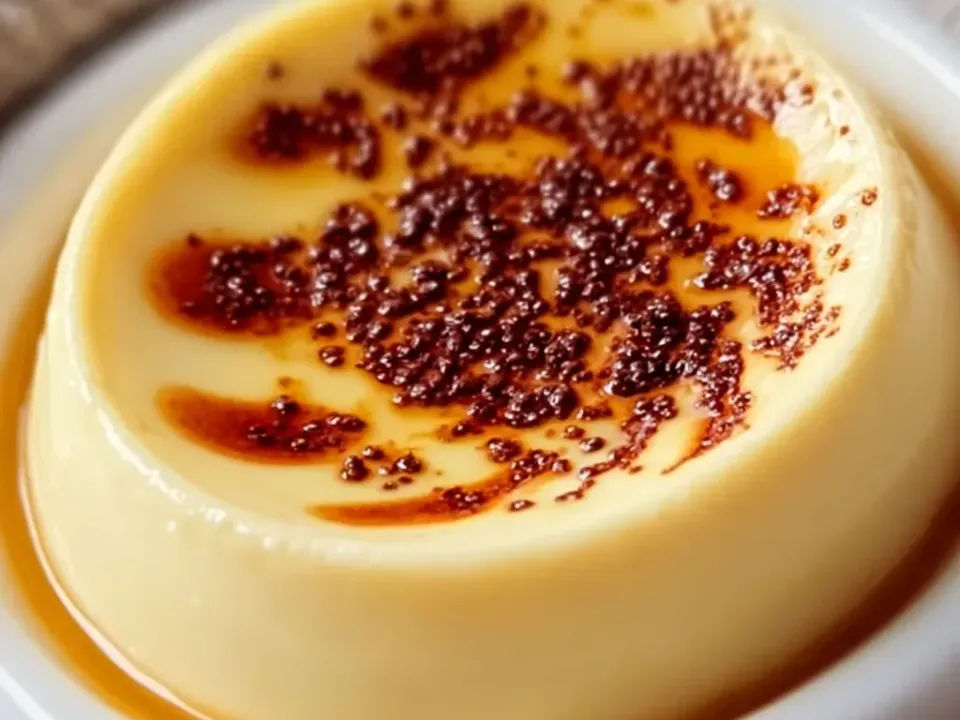
There’s something incredibly comforting about a Classic Baked Milk Pudding that takes me back to my grandmother’s kitchen. The silky, creamy texture and gentle vanilla aroma filling the house always signaled that something special was in the oven. This timeless dessert strikes the perfect balance between simple ingredients and luxurious results. With just milk, eggs, sugar, and a hint of vanilla, you can create a velvety custard that’s both humble and elegant. I’ve perfected this recipe over years of Sunday family gatherings, and now I’m excited to share my foolproof method with you at Recipes Darleen.

Recipe

Why You’ll Love This Classic Baked Milk Pudding

Simplicity Meets Elegance

This Classic Baked Milk Pudding requires just a handful of pantry staples, yet delivers restaurant-worthy results. The magic happens when these humble ingredients transform in the oven, creating layers of creamy texture and subtle caramelization. I love how it’s fancy enough for company but simple enough for a weeknight treat. The gentle wobble when perfectly baked brings me so much joy—it’s that sweet spot between custard and cake that makes this dessert truly special. Your kitchen will fill with the most heavenly vanilla aroma as it bakes.

Versatility for Every Season

One of the things I cherish most about this Classic Baked Milk Pudding is how it adapts to any season. In summer, I serve it chilled with fresh berries and a light dusting of powdered sugar. Come fall, I add warming spices like cinnamon and nutmeg to the base. Winter calls for a drizzle of caramel sauce and a sprinkle of sea salt. Spring brings opportunities for floral notes like lavender or rose water. This chameleon-like quality makes it my go-to dessert year-round, always feeling fresh and appropriate for whatever produce is at its peak.

Essential Tips & Tricks

Perfecting Your Pudding Texture

The secret to achieving that dreamy, silky Classic Baked Milk Pudding texture is all in the baking method. Always use a water bath (bain-marie) to ensure gentle, even heating that prevents curdling and creates that perfect custard consistency. I learned the hard way that direct heat leads to a rubbery result! Strain your mixture before baking to remove any egg bits that might disrupt the smooth texture. And remember—patience is key. The pudding should still have a slight wobble in the center when done, as it will continue to set as it cools, just like in this Custard Bread Pudding.

Temperature Control Matters

Getting the temperature right is crucial for Classic Baked Milk Pudding success. Start with room temperature ingredients—cold eggs or milk can cause the mixture to separate. Heat your milk slowly until it’s steaming but not boiling (around 180°F if you have a thermometer). When adding hot milk to eggs, temper gradually by whisking a small amount of milk into eggs first, then slowly incorporate the rest. This prevents scrambled eggs in your pudding! Bake at a low temperature (around 325°F) and check frequently toward the end. The edges should be set but the center should still quiver slightly when gently shaken.

Serving Ideas & Creative Variations

Seasonal Toppings to Elevate Your Pudding

The beauty of a Classic Baked Milk Pudding lies in its versatility as a canvas for seasonal toppings. In summer, I love crowning it with macerated berries—strawberries, blueberries, or raspberries tossed with a touch of sugar and lemon zest. Fall brings opportunities for spiced apple compote or poached pears. Winter calls for citrus segments with honey and pistachios. A dollop of lightly whipped cream is always welcome, regardless of season. For special occasions, I’ll add a brûléed sugar top, creating a delightful textural contrast similar to my Crème Brûlée Macarons that guests absolutely adore.

Global Flavor Inspirations

Take your Classic Baked Milk Pudding on a world tour by incorporating international flavor profiles. For a Mediterranean twist, infuse the milk with orange blossom water and top with crushed pistachios and honey. Channel Latin flavors by adding cinnamon and a touch of dulce de leche. For an Asian-inspired version, incorporate coconut milk and top with mango and toasted coconut flakes. A British approach might include a splash of tea-infused milk and a side of shortbread. I love how these variations maintain the pudding’s comforting essence while offering exciting new taste experiences that reflect diverse culinary traditions.

Storage & Troubleshooting Guide

Keeping Your Pudding Perfect

Classic Baked Milk Pudding stores beautifully when handled properly. Once completely cooled, cover with plastic wrap pressed directly onto the surface to prevent a skin from forming. Refrigerate for up to 3 days while maintaining that silky texture. If you notice any condensation forming, gently blot it with a paper towel before serving. For the best flavor experience, remove from the refrigerator about 20 minutes before serving to take the chill off. Individual portions in ramekins store particularly well and make for elegant pre-portioned desserts that can be quickly dressed up with toppings just before serving.

Fixing Common Pudding Problems

Even experienced bakers encounter issues with Classic Baked Milk Pudding occasionally. If your pudding develops a grainy texture, it likely overcooked or the eggs curdled. Next time, use a gentler heat and be vigilant about your water bath. Weeping or separation indicates the pudding was baked at too high a temperature—lower by 25°F in your next attempt. For a pudding that didn’t set properly, it likely needed more time in the oven. Remember that it should still have a slight wobble when done. If your pudding develops a tough skin despite your best efforts, simply peel it away before serving or embrace it as a rustic touch!

Frequently Asked Questions

Can I make Classic Baked Milk Pudding ahead of time?

Absolutely! It actually improves with a day in the refrigerator as the flavors meld beautifully. Make it up to 2 days ahead and store covered in the refrigerator until ready to serve.

What’s the difference between milk pudding and flan?

While both are egg-based custards, Classic Baked Milk Pudding has a softer, creamier texture without caramel. Flan typically features a caramelized sugar layer on top and has a firmer consistency.

Can I use non-dairy milk for this recipe?

Yes, but results will vary. Full-fat coconut milk works best as an alternative, producing a rich texture. Almond and oat milk create a lighter pudding but may require additional thickening.

Why did my pudding crack on top?

Cracking usually occurs from overbaking or baking at too high a temperature. Always use a water bath and check for doneness when the center still has a slight wobble.

How do I know when my Classic Baked Milk Pudding is perfectly done?

The edges should be set but the center should jiggle slightly when gently shaken, similar to a just-set gelatin. It will continue firming up as it cools.

Final Thoughts

This Classic Baked Milk Pudding has been my faithful companion through countless family gatherings and quiet evenings alike. Its ability to transform simple ingredients into something truly special reminds me why I fell in love with baking in the first place. There’s a certain magic in creating something so silky and comforting with just a few basic ingredients. Whether you’re making it for a special occasion or simply because you deserve a little sweetness, I hope this pudding brings you the same joy and comfort it has always brought to my table. Don’t forget to check out more delicious ideas on my Pinterest!