
Dinner
Classic Prime Rib with Yorkshire Pudding Recipe | Perfect Roast Dinner
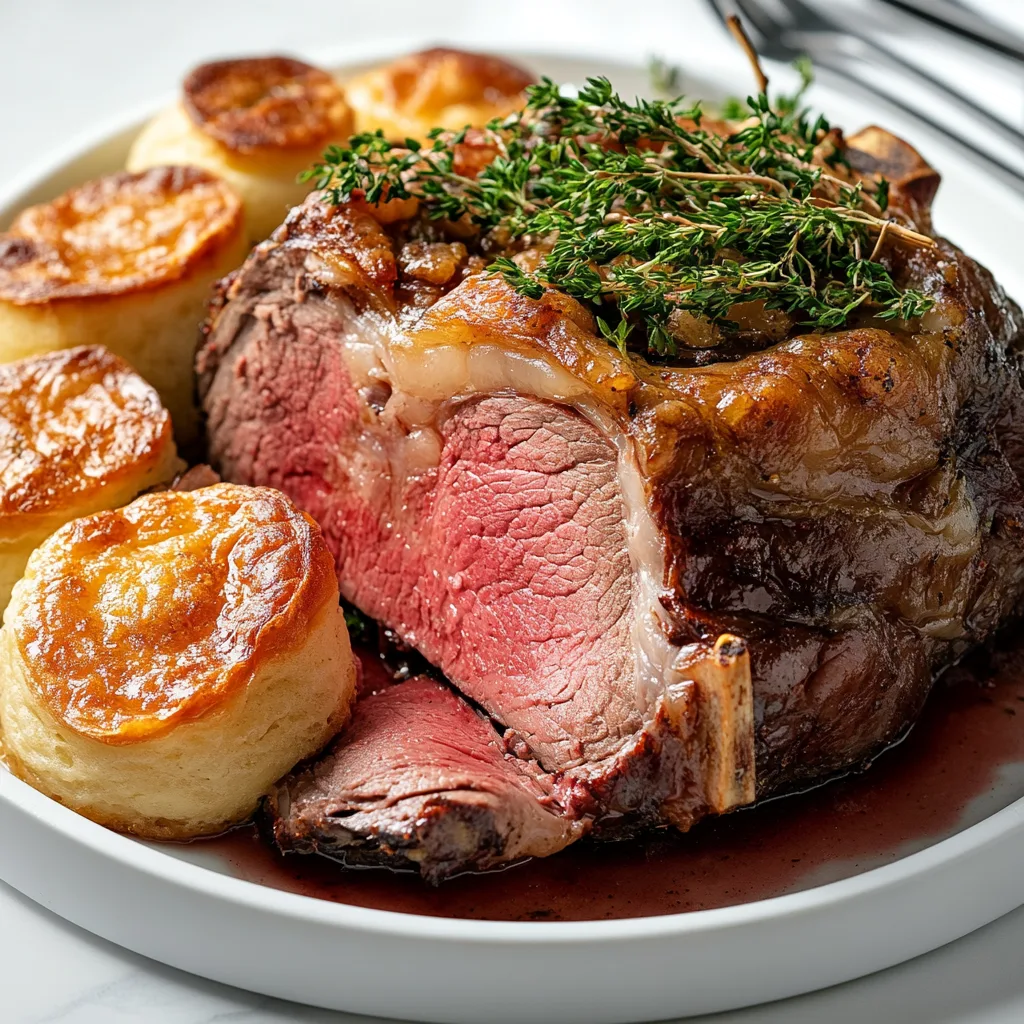
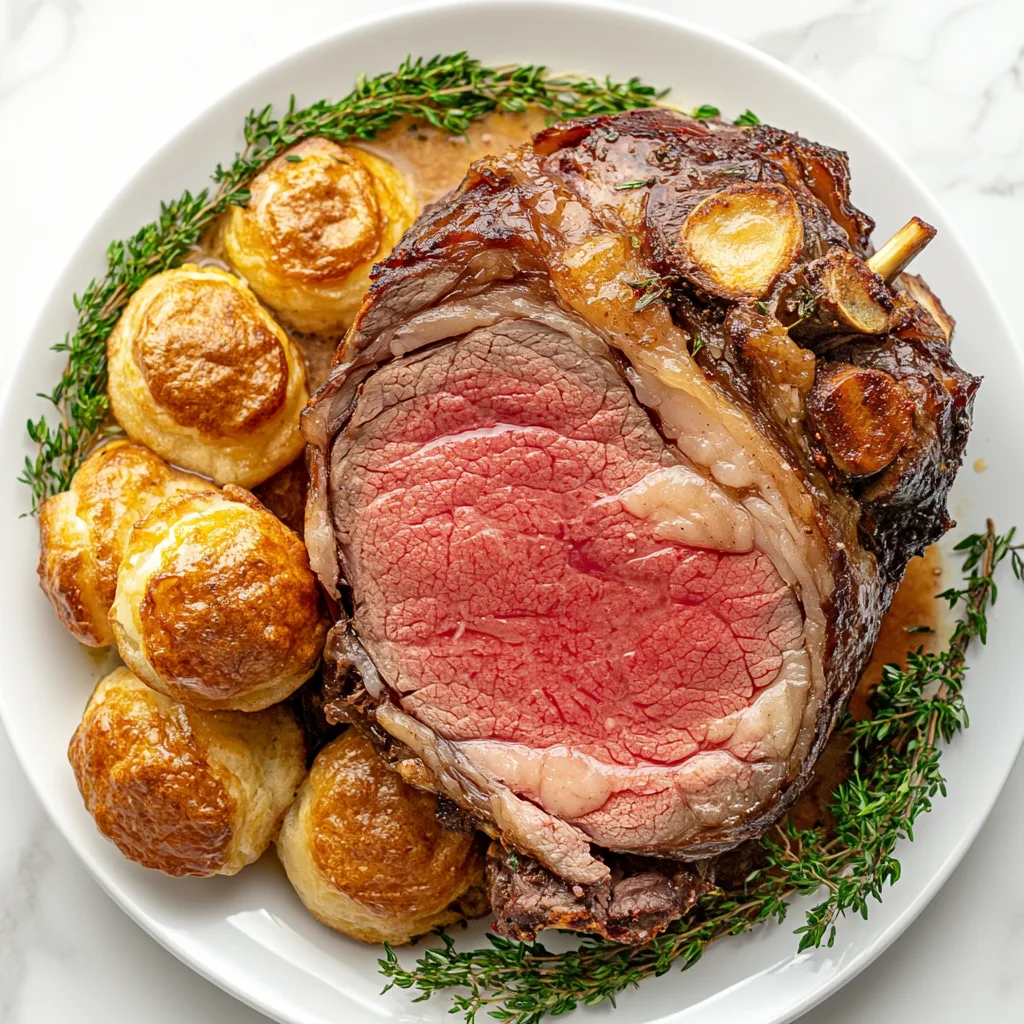
There’s something truly magical about Classic Prime Rib with Yorkshire Pudding that transforms an ordinary dinner into a celebration. The moment that perfectly roasted beef emerges from the oven, its exterior caramelized to a deep mahogany while the center remains butter-tender and rosy—that’s when I know holiday memories are about to be made. My grandmother taught me that Yorkshire puddings aren’t just a side dish; they’re little golden clouds designed specifically to catch every drop of that precious beef jus.
This timeless pairing has graced my holiday table for years, and I’m thrilled to share my foolproof method for creating this showstopping meal that combines simplicity with spectacular results. If you’re looking for more comfort food classics, check out my collection of slow-cooked favorites.
Table of Contents
Recipe
Why You’ll Love This Classic Prime Rib with Yorkshire Pudding
A Foolproof Method for Restaurant-Quality Results
There’s no denying that prime rib can feel intimidating—it’s an investment piece of meat that deserves respect. But here’s my promise: this method is virtually fail-proof. The reverse-sear technique ensures that your expensive roast cooks evenly from edge to edge with that perfect rosy center. No more anxiety about over or undercooking! The low-and-slow approach gives you a generous window of perfect doneness, while the final high-heat blast creates that mouthwatering crust without compromising the interior. I still remember my mother-in-law’s wide eyes when she cut into her first slice—”How did you get it so perfect?” she gasped. The Yorkshire puddings rise dramatically thanks to a simple but crucial technique: preheated pans that create that signature puff.
The Perfect Balance of Flavors and Textures
What makes this Classic Prime Rib with Yorkshire Pudding truly special is the interplay of contrasting elements. The rich, buttery beef with its robust crust finds its perfect counterpoint in the Yorkshire puddings—crispy exteriors giving way to soft, airy centers. I’ve perfected a garlic-herb butter that melts into the meat, infusing every bite with aromatic depth without overwhelming the beef’s natural flavor. Last Christmas, my usually reserved brother-in-law actually closed his eyes while savoring his first bite! The puddings provide the perfect vehicle for soaking up the intensely flavorful jus, creating that magical bite that combines everything in perfect harmony. The beauty lies in simplicity—salt, pepper, herbs, beef, eggs, and flour transformed into something extraordinary.
Essential Tips & Tricks
Selecting and Preparing Your Prime Rib
Choosing the right cut is half the battle won. Look for a well-marbled prime rib with a bright red color and creamy white fat. I prefer bone-in for better flavor, though boneless works beautifully too. Ask your butcher for the small end (also called the first cut) for the most tender result. Let your roast sit at room temperature for at least 2 hours before cooking—this crucial step ensures even cooking.
Season generously with kosher salt at least 45 minutes before roasting to allow the salt to penetrate. My secret weapon? A paste of fresh herbs, garlic, and butter massaged over the entire surface. For more prime rib inspiration, check out my Italian Herb Butter Prime Rib variation that’s become a reader favorite.
Yorkshire Pudding Success Secrets
The key to towering, golden Yorkshire puddings lies in three critical factors: a well-rested batter, screaming hot pans, and the right consistency. Mix your batter at least 30 minutes before baking (I often do it the night before) to allow the gluten to relax. The batter should be the consistency of heavy cream—not too thick, not too thin.
My non-negotiable step: preheat the muffin tin with beef drippings or oil until it’s smoking hot before adding the batter. This creates the immediate steam that makes the puddings rise dramatically. Never open the oven door during the first 20 minutes of baking—that sudden temperature drop will cause your puddings to collapse. I learned this the hard way during my first holiday dinner party when I peeked too soon and ended up with Yorkshire pancakes instead!
Serving Ideas & Creative Variations
Create a Complete Holiday Feast
While this Classic Prime Rib with Yorkshire Pudding is undoubtedly the star, supporting sides can elevate the entire experience. I love serving it with horseradish cream sauce—the gentle heat cuts through the richness perfectly. For vegetables, try roasted garlic mashed potatoes and bright green beans with toasted almonds for color and crunch. My family’s favorite addition is a simple red wine jus made from the roasting pan drippings—just add a splash of good Cabernet, beef stock, and a sprig of rosemary. For a truly spectacular holiday spread, pair with my Braised Red Cabbage with Apples and Spices for a beautiful color contrast and complementary flavor.
Modern Twists on the Classic
While tradition has its place, don’t be afraid to introduce thoughtful updates. Try infusing your Yorkshire pudding batter with fresh herbs like thyme or rosemary for a fragrant variation. For the prime rib, a black pepper and coffee rub creates an incredible crust with subtle depth. My latest obsession is adding a hint of truffle butter under the fat cap—it melts slowly, basting the meat with earthy richness. For a stunning presentation, try individual Yorkshire puddings topped with thinly sliced prime rib and a dollop of horseradish cream—perfect for a more casual gathering. You can even transform leftovers into spectacular sandwiches on Yorkshire pudding “buns” with caramelized onions and blue cheese for an indulgent next-day lunch.
Storage & Troubleshooting Guide
Properly Storing and Reheating Leftovers
Prime rib is a significant investment, so proper storage of leftovers is essential. Wrap cooled meat tightly in plastic wrap, then foil, and refrigerate for up to 4 days. For longer storage, freeze well-wrapped portions for up to 3 months. The key to reheating without overcooking: low and slow.
I place slices in a baking dish with a splash of beef broth, cover tightly with foil, and warm at 250°F until just heated through. Yorkshire puddings can be stored in an airtight container for 2 days and reheated in a 350°F oven for 5-7 minutes until crisp. For the best make-ahead strategy, prepare your herb butter and Yorkshire pudding batter the day before, so you’re focused solely on the roast on serving day.
Solving Common Prime Rib Problems
Even experienced cooks encounter challenges with prime rib. If your roast is cooking too quickly, immediately lower the oven temperature by 25°F and check the internal temperature more frequently. A reliable meat thermometer is absolutely non-negotiable—I recommend a probe-style thermometer that stays in the meat while cooking.
For Yorkshire puddings that didn’t rise, the likely culprits are either oil not hot enough or opening the oven too soon. If your prime rib developed too dark a crust before reaching the target internal temperature, tent it loosely with foil to prevent further browning. Remember that carryover cooking will raise the temperature 5-10°F after removing from the oven, so always factor this in when deciding when to take out your roast.
Frequently Asked Questions
What’s the ideal internal temperature for Classic Prime Rib?
For medium-rare (my recommendation), remove the roast at 120-125°F as it will rise to 130-135°F while resting. For medium, aim for 130-135°F (final 140-145°F). Always use a reliable meat thermometer.
Can I make Yorkshire Pudding ahead of time?
Yes! The batter benefits from resting 30 minutes to overnight in the refrigerator. For best results, bake just before serving, though they can be reheated at 350°F for 5 minutes.
How much Classic Prime Rib with Yorkshire Pudding should I prepare per person?
Calculate about ¾-1 pound per person for bone-in prime rib (½-¾ pound for boneless), which accounts for the bones and shrinkage. Plan for 2-3 Yorkshire puddings per guest.
What’s the best way to carve prime rib?
If bone-in, remove the entire rack of bones first by cutting along the curve. Then slice the meat perpendicular to the grain into ½-inch thick slices for the perfect texture.
Can I use the same technique for a smaller roast?
Absolutely! The reverse-sear method works beautifully for smaller cuts. Just adjust cooking times accordingly—smaller roasts will reach temperature faster.
Final Thoughts
This Classic Prime Rib with Yorkshire Pudding has earned its place as a celebration centerpiece for good reason. There’s something profoundly satisfying about mastering this iconic dish—the anticipation as it roasts, the dramatic puff of the Yorkshire puddings, and finally, the moment the knife glides through that perfectly pink center. While it might seem ambitious, I hope I’ve shown you that with the right technique, this feast is absolutely within your reach.
The beauty of this meal lies in its timelessness; it connects us to traditions while creating new memories around the table. I’d love to see your results—share your prime rib triumphs on Pinterest and join our community of home cooks celebrating good food and the joy it brings.