
Dinner
Chef John’s Perfect Prime Rib Recipe | Juicy & Tender Prime Rib Guide
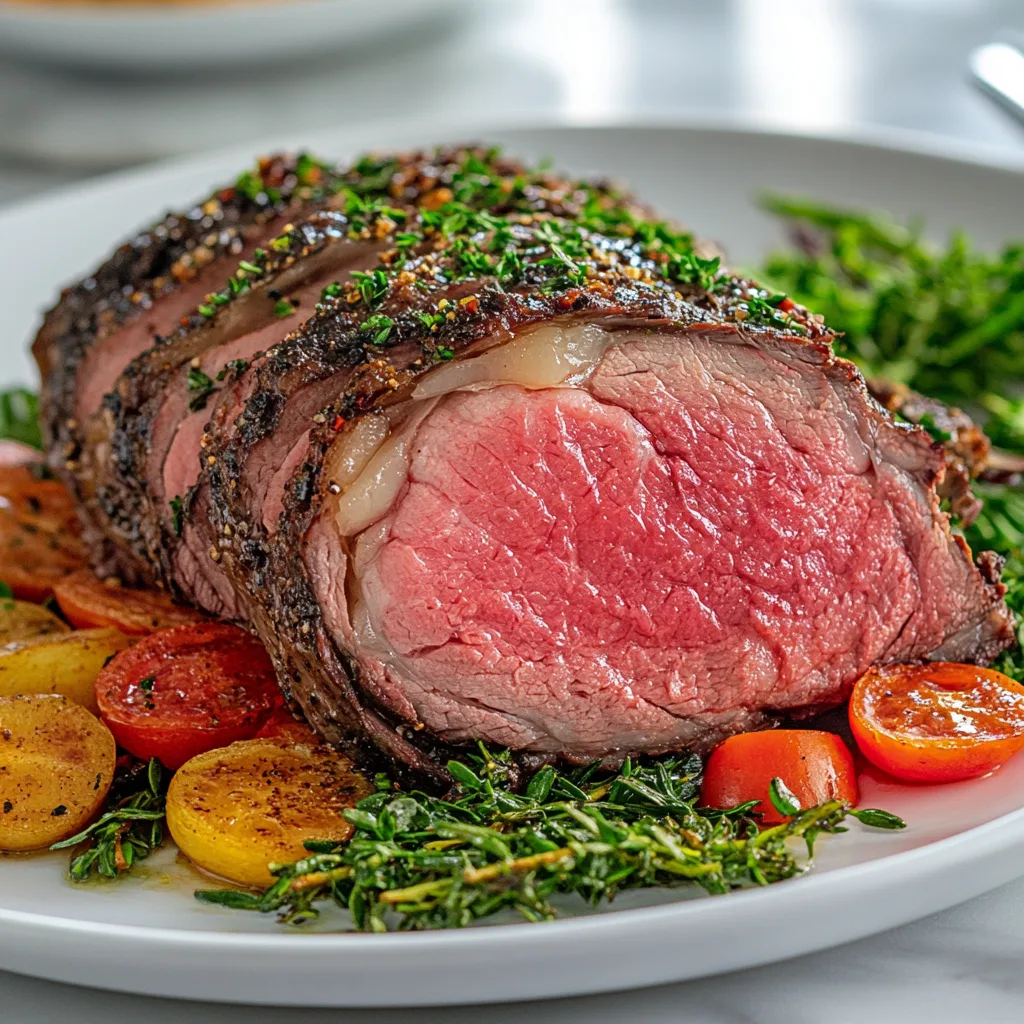
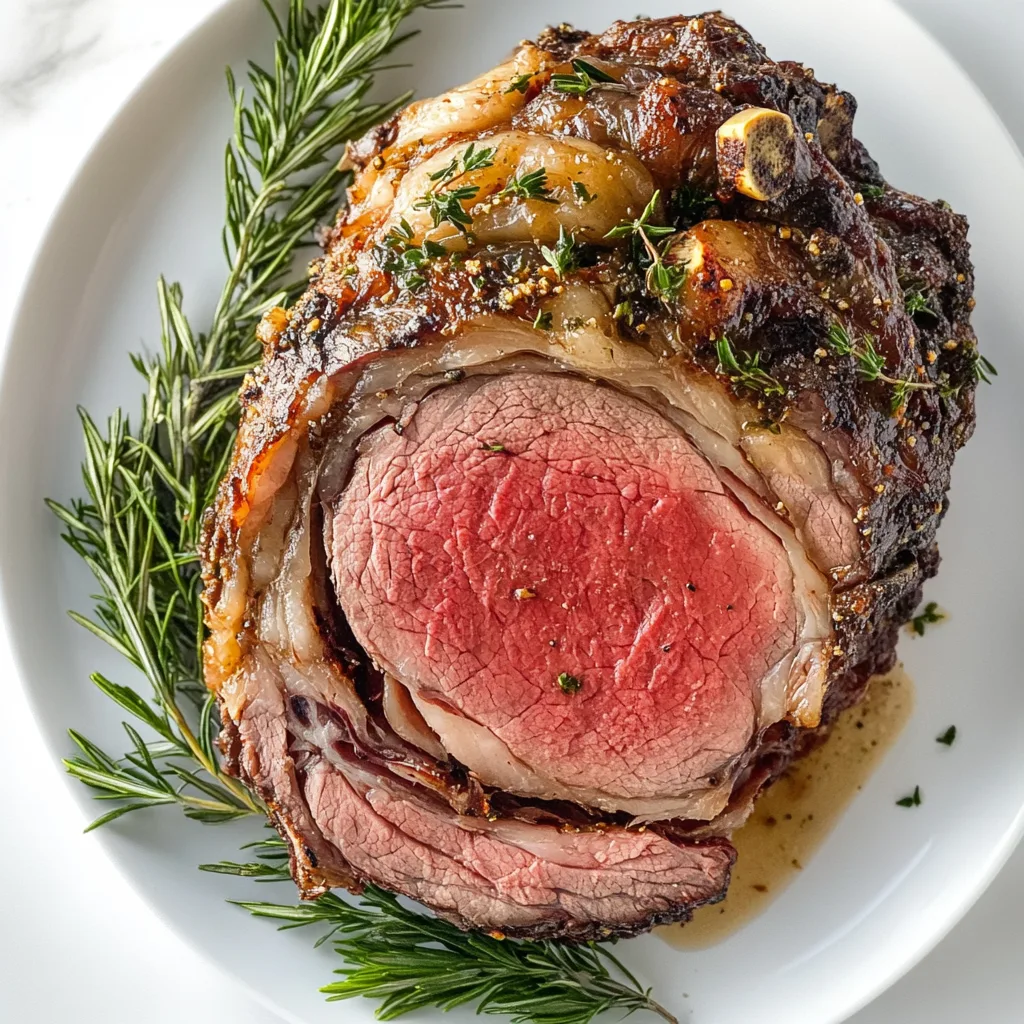
Chef John’s Perfect Prime Rib is a showstopper that transforms any dinner into a special occasion. The first time I made this recipe, my kitchen filled with an aroma so mouthwateringly rich that my husband appeared from his office before I even called for dinner! There’s something magical about the way the seasoned crust develops while the interior stays perfectly pink and juicy.
I’ve tested countless prime rib methods over the years, but Chef John’s technique consistently delivers that restaurant-quality result we all crave. Whether you’re planning a holiday feast or simply want to elevate a Sunday dinner, this foolproof method will have your guests reaching for seconds—and asking for your secret. Let’s dive into creating the perfect prime rib that will become your signature dish.
Table of Contents
Recipe
Why You’ll Love This Chef John’s Perfect Prime Rib
Foolproof Method for Perfect Results
Chef John’s method takes the guesswork out of cooking prime rib, which is exactly what I needed after my first disastrous attempt years ago. The reverse-sear technique ensures the meat cooks evenly from edge to edge with that gorgeous rosy center. Unlike traditional methods that can leave you with an overcooked exterior and undercooked middle, this approach delivers consistent results every time. I love how the initial low-temperature roasting slowly brings the meat to temperature, allowing the fat to render and flavor to develop. Then the final high-heat blast creates that coveted crusty exterior that makes you want to sneak pieces off before it even reaches the table.
Restaurant-Quality Flavor at Home
The flavor profile of this prime rib is simply extraordinary. The herb crust creates a savory exterior that complements the rich, buttery meat perfectly. What I appreciate most is how this method allows the natural flavor of the beef to shine through—it’s not masked by overwhelming seasonings. The slow roasting process allows the fat to baste the meat from within, creating that melt-in-your-mouth texture that usually costs a small fortune at steakhouses. My mother-in-law (who’s notoriously hard to impress) actually asked for the recipe after our last Christmas dinner. Trust me, when you taste the perfect balance of seasoned crust and juicy interior, you’ll understand why this recipe has earned its legendary status.
Essential Tips & Tricks
Choosing and Preparing Your Roast
Selecting the right cut is your first step toward prime rib perfection. Look for a well-marbled roast with the bone intact—this provides better flavor and more even cooking. I prefer asking my butcher for the center cut of a rib roast (ribs 6-9) for the optimal balance of meat and fat. Let your roast sit at room temperature for at least 2 hours before cooking; this step is non-negotiable for even cooking!
Season generously with kosher salt the night before and refrigerate uncovered—this creates a dry exterior that helps develop that amazing crust. When you’re ready to cook, pat the roast dry again and apply your herb mixture. This attention to detail makes all the difference between a good prime rib and an unforgettable one.
Temperature Management Is Everything
The secret to Chef John’s method lies in precise temperature control. Invest in a good digital thermometer with a probe—it’s worth every penny for perfect prime rib. Start at a low temperature (200-250°F) until the internal temperature reaches about 120°F for medium-rare. This slow approach allows the heat to penetrate evenly without overcooking the exterior. After removing and resting, crank your oven to its highest setting (500-550°F) for that final sear. The most critical step? Resting your roast properly between stages. This redistribution of juices makes the difference between a good prime rib and one that has your guests talking about it for years.
For more temperature-sensitive recipes that impress, check out my baked pears with berries, honey, walnuts and blue cheese for an elegant dessert pairing.
Serving Ideas & Creative Variations
Classic Accompaniments That Shine
Prime rib deserves sides that complement its rich flavor without overshadowing it. My go-to combination includes creamy horseradish sauce (made with fresh horseradish when I can find it) and a simple au jus from the drippings. For vegetables, roasted garlic mashed potatoes and Yorkshire puddings are traditional favorites that never disappoint. I also love serving it with roasted asparagus or green beans with garlic and almonds for a fresh contrast to the richness of the meat. The key is balance—you want sides that stand up to the beef without competing with it. Last Christmas, I added a crisp arugula salad with lemon vinaigrette that cut through the richness perfectly and brightened up the whole plate.
Unexpected Twists on Tradition
While the classic preparation is divine, don’t be afraid to put your own spin on Chef John’s method. Try adding coffee grounds to your herb rub for a deeper, more complex flavor profile—I discovered this trick accidentally when cooking half-asleep one morning! Another variation I love is incorporating crushed peppercorns and a cognac cream sauce for a sophisticated “au poivre” twist. For something completely different, experiment with global flavor profiles like a Mediterranean herb crust with rosemary, oregano, and lemon zest. If you’re feeling adventurous, serve your prime rib alongside unexpected sides like winter greens with pine nuts and garlic for a delightful contrast of textures and flavors that will surprise your guests in the best possible way.
Storage & Troubleshooting Guide
Making the Most of Leftovers
Prime rib leftovers are practically a second gift! Store them properly by wrapping tightly in plastic wrap or placing in an airtight container in the refrigerator for up to 4 days. For the best texture when reheating, slice the meat thinly and warm it gently in beef broth over low heat—this prevents it from drying out.
My favorite way to repurpose leftovers is in upscale sandwiches with caramelized onions and horseradish aioli on crusty bread. For something different, dice the meat and add it to breakfast hash with potatoes and bell peppers, topped with a runny egg. The rendered fat is liquid gold too! I save it in a small container in the fridge to use for roasting potatoes or as the base for gravy in future meals.
Troubleshooting Common Issues
Even with the best techniques, challenges can arise. If your prime rib develops a gray band beneath the crust (instead of being pink throughout), your initial roasting temperature was likely too high. Next time, reduce it by 25°F and use a probe thermometer to monitor more closely.
If your crust isn’t as crispy as desired after the final sear, try patting the roast extra dry before the high-heat stage or extending the sear time by 1-2 minutes. For a roast that’s underdone in the center but perfect on the outside, you can slice the center portions and briefly sear them in a hot pan. Remember that carryover cooking will increase the internal temperature by 5-10°F after removing from the oven, so always account for this when determining when to take out your roast.
Frequently Asked Questions
How do I calculate cooking time for Chef John’s Perfect Prime Rib?
Plan for about 15 minutes per pound during the initial low-temperature roast, plus 8-10 minutes resting and 5-8 minutes for the final sear. Always use a thermometer rather than relying solely on time.
Can I use this method for a boneless rib roast?
Yes! Boneless roasts cook slightly faster, so begin checking the temperature about 30 minutes earlier. The flavor will still be excellent, though bone-in provides more depth.
What’s the best way to reheat leftover prime rib without overcooking it?
Wrap slices in foil with a splash of beef broth and warm in a 250°F oven until just heated through (about 10-15 minutes). Never microwave—it will toughen the meat.
How far in advance can I season the roast?
For best results, salt the roast 24 hours ahead and refrigerate uncovered. Apply the herb rub just before cooking for the freshest flavor.
Is it necessary to let the roast come to room temperature before cooking?
Absolutely! This crucial step ensures even cooking. Allow 2-3 hours for a large roast to properly come to room temperature before roasting.
Final Thoughts
Chef John’s Perfect Prime Rib has become my signature holiday dish, the one my family requests year after year. There’s something deeply satisfying about mastering this technique—watching faces light up as you bring the roast to the table, hearing the appreciative murmurs as you slice into that perfectly pink center. The method might seem intimidating at first, but I promise the results are worth every minute of preparation.
The beauty lies in its simplicity: quality ingredients, careful temperature control, and patience. Whether you’re cooking for a special occasion or simply treating yourself, this prime rib recipe delivers restaurant-quality results that create lasting memories around your table. For more holiday inspiration, visit my Pinterest board where I share seasonal favorites and cooking tips.