
Lunch
Gluten-Free High-Protein Blueberry Bagels You’ll Crave Today!
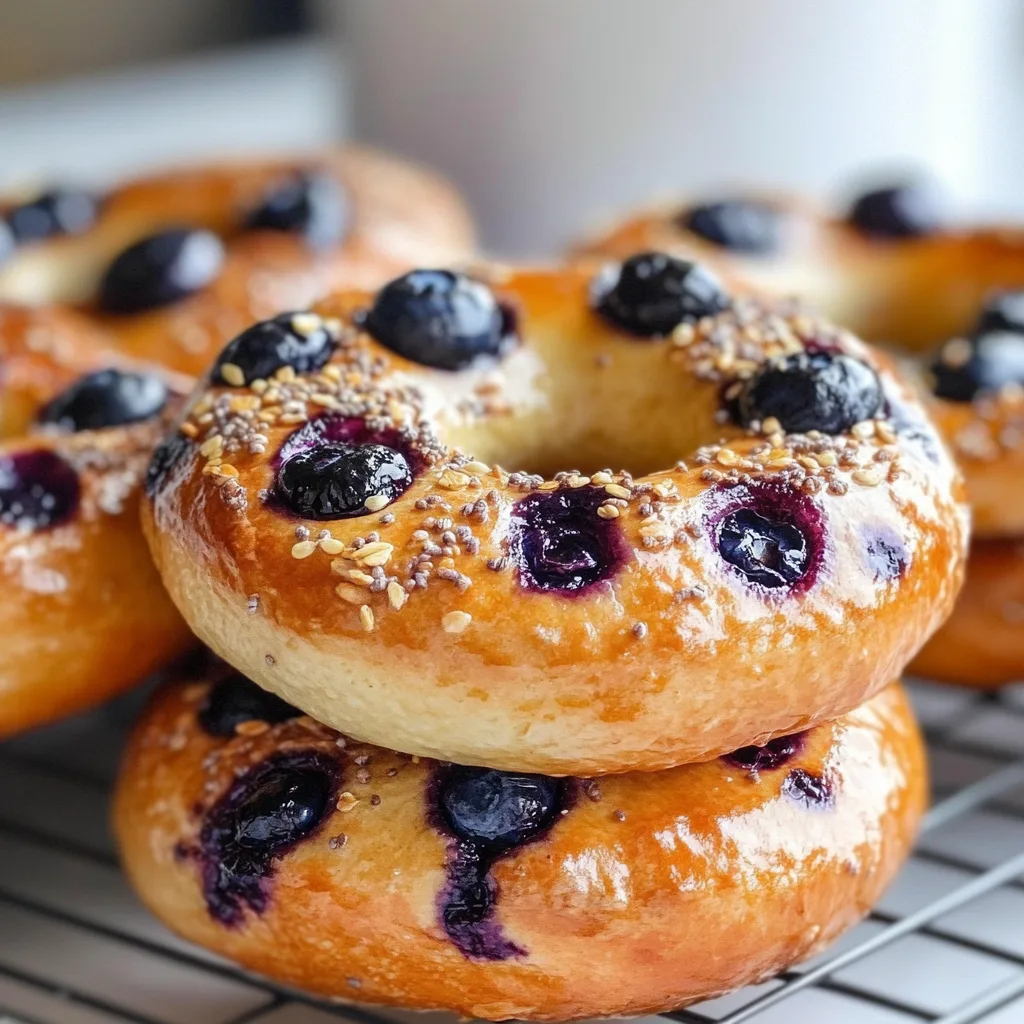
Gluten-free high-protein blueberry bagels have completely transformed my weekend breakfast routine. There’s something magical about biting into a warm, chewy bagel with sweet bursts of blueberry while knowing it’s actually supporting my health goals. When I first went gluten-free, I thought my bagel days were over until I discovered this recipe. These aren’t just any bagels – they’re packed with protein powder and almond flour, making them perfect for anyone looking to fuel their mornings without the gluten crash. Trust me, once you’ve tried these, store-bought alternatives will never quite measure up again.
Recipe
Why You’ll Love These Gluten-free High-Protein Blueberry Bagels
Perfect Texture & Flavor Balance
The biggest challenge with gluten-free baking is achieving that authentic chewy bagel texture, but these absolutely nail it! The combination of almond flour and protein powder creates a sturdy structure that holds up beautifully to toasting. I was genuinely shocked the first time I made these – they have that satisfying resistance when you bite in, followed by a tender interior that’s worlds away from the crumbly disappointment of most gluten-free breads. The blueberries add pockets of jammy sweetness that perfectly balance the slight tanginess from the yogurt in the dough. Your kitchen will smell like a bakery as they cook!
Nutritional Powerhouse
Unlike traditional bagels that can leave you feeling sluggish, these protein-packed beauties provide sustained energy throughout your morning. Each bagel contains approximately 15g of protein (depending on your protein powder), making them perfect for post-workout recovery or a satisfying breakfast. The almond flour adds healthy fats and fiber, while fresh blueberries contribute antioxidants and natural sweetness without excessive sugar. I love serving these to friends with dietary restrictions – they’re always amazed that something so delicious can also support their health goals. The best part? You’ll feel energized rather than weighed down after enjoying one.
Essential Tips & Tricks
Perfecting Your Dough
The key to successful gluten-free bagels lies in the dough consistency. It should be tacky but not sticky – think playdough that slightly clings to your fingers but doesn’t leave residue. If your dough feels too wet, gradually add more protein powder, one tablespoon at a time. For the boiling step (what gives bagels their characteristic chewiness), make sure your water is at a rolling boil before adding the baking soda. I learned this the hard way when I once tried with just simmering water – the bagels fell apart! Allow each bagel exactly 45 seconds per side in the water for the perfect exterior, similar to how I make my lemon crinkle cookies with their perfect crackly top.
Ingredient Selection Matters
Not all protein powders perform equally in baking! I recommend using a whey-casein blend or a plant-based protein specifically formulated for baking. Pure whey can make the bagels too rubbery, while some plant proteins might make them too dry. For the blueberries, fresh is best, but if using frozen, don’t thaw them first – fold them in while still frozen to prevent purple streaking throughout your dough. The xanthan gum is non-negotiable here – it’s what replaces the gluten’s binding properties. I once skipped it thinking the protein would be enough, and ended up with bagels that crumbled at the slightest touch!
Serving Ideas & Creative Variations
Beyond Basic Toppings
While cream cheese is the classic choice, these gluten-free high-protein blueberry bagels deserve some creative pairings! My absolute favorite combination is whipped ricotta with a drizzle of honey and a sprinkle of lemon zest – the creamy-tangy-sweet balance is heavenly with the blueberries. For a savory twist, try avocado with everything bagel seasoning, which creates a delightful contrast with the sweet blueberries. These bagels also make excellent sandwich bases – try almond butter with banana slices for a protein-packed lunch. For a special brunch, serve them alongside my deviled egg dip for a delicious contrast of flavors.
Flavor Adaptations
The beauty of this base recipe is how easily you can customize it! Replace blueberries with chocolate chips and add a teaspoon of cinnamon for a dessert-inspired version. For a zestier profile, fold in lemon zest along with the blueberries – the citrus brightens everything beautifully. Apple and cinnamon make a wonderful fall variation, while dried cranberries and orange zest create a holiday-worthy treat. You can also go savory by omitting the berries and adding herbs like rosemary and garlic powder. I’ve even made a “pizza bagel” version with sun-dried tomatoes and Italian herbs that was a huge hit at my last brunch gathering!
Storage & Troubleshooting Guide
Keeping Them Fresh
These gluten-free high-protein blueberry bagels stay fresh at room temperature for up to 2 days when stored in an airtight container lined with paper towels (which absorb excess moisture). For longer storage, slice them before freezing – this allows you to toast individual pieces straight from frozen. Place parchment paper between slices to prevent sticking. When ready to enjoy, simply pop frozen slices directly into your toaster on a medium-high setting. I’ve found they actually maintain their texture better than many commercial gluten-free breads, which tend to crumble after freezing and reheating.
Fixing Common Issues
If your bagels spread too much during baking, the dough was likely too wet – next time, add a bit more protein powder or chill the shaped dough for 20 minutes before boiling. Bagels turning out too dense? You might be overworking the dough – mix just until combined, as gluten-free doughs don’t benefit from extended kneading like traditional bagels. If the blueberries keep bursting and making the dough too wet, try using dried blueberries instead of fresh, or freeze fresh berries before folding them in. For bagels that crack during baking, your oven might be too hot – try reducing the temperature by 25°F.
Frequently Asked Questions
Can I make these bagels without protein powder?
Yes, you can substitute with additional almond flour, but you’ll lose some of the protein content and chewiness. Add an extra teaspoon of xanthan gum to maintain the structure.
Why do my gluten-free high-protein blueberry bagels collapse after baking?
This typically happens when there’s too much moisture. Make sure to pat blueberries completely dry before adding them, and consider reducing liquid ingredients by 1-2 tablespoons.
Can I make these dairy-free?
Absolutely! Use a plant-based protein powder and replace the Greek yogurt with coconut yogurt. The texture will be slightly different but still delicious.
How long should I let the bagels cool before slicing?
Allow at least 30 minutes cooling time. Gluten-free baked goods continue setting up as they cool, and slicing too early can make them gummy.
Can I use a different flour instead of almond flour?
Oat flour works well as a substitute, though the texture will be slightly different. Coconut flour is not recommended as it absorbs too much moisture.
Final Thoughts
These gluten-free high-protein blueberry bagels have become my weekend ritual – mixing the dough on Saturday morning while coffee brews, the satisfaction of shaping each ring, and that incredible aroma as they bake. There’s something deeply rewarding about creating something so delicious that also supports my health goals. Don’t be intimidated by the process; each batch gets better as you learn the feel of the dough. Share these with friends (gluten-free or not) and watch their surprise when they discover how amazing homemade protein bagels can be. For more inspiration, check out my other recipes on Pinterest.