
Lunch
Beef Jerky Bliss: Irresistible Snack That Boosts Your Energy Fast!
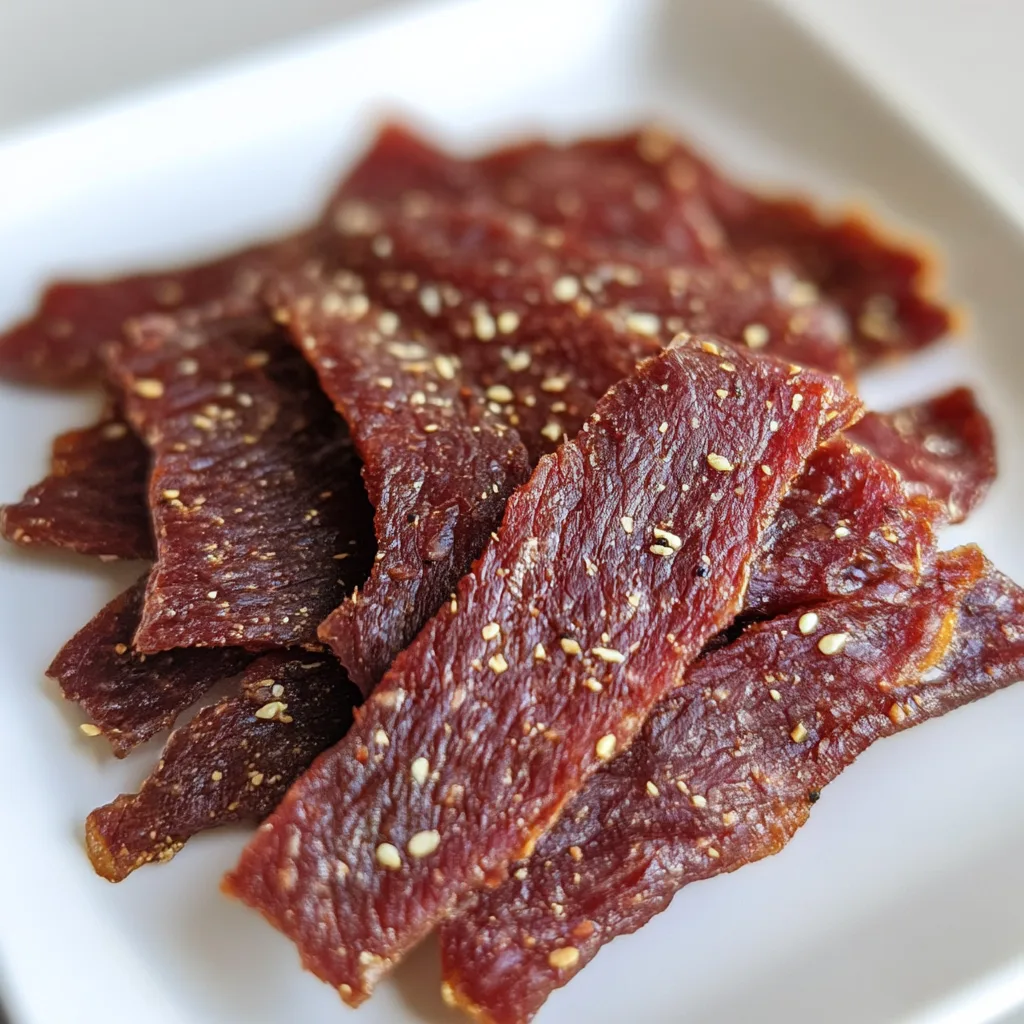
Beef jerky has been my go-to snack for years, offering that perfect combination of protein-packed satisfaction and bold flavor that keeps me coming back for more. There’s something almost magical about transforming fresh meat into chewy, savory strips that last for weeks. I still remember making my first batch in college—the intoxicating aroma of spices filling my tiny apartment as strips of marinated beef slowly dried. Whether you’re a seasoned jerky enthusiast or a curious first-timer, this homemade beef jerky recipe will revolutionize your snack game with flavors that put store-bought varieties to shame. Let’s dive into creating the ultimate beef jerky.
Table of Contents
Recipe
Why You’ll Love This Beef Jerky
Perfect Protein-Packed Snack
Homemade beef jerky delivers an incredible protein punch without the preservatives found in commercial versions. Each chewy bite provides sustained energy that keeps hunger at bay during long hikes, road trips, or those marathon work sessions. I’ve found it particularly lifesaving during busy weekdays when a proper lunch seems impossible. The beauty of making your own is controlling exactly what goes into it—pure beef with spices you select, making it ideal for anyone following keto, paleo, or low-carb eating plans. Plus, the satisfaction of crafting something this delicious with your own hands? Absolutely priceless.
Customizable Flavor Profiles
The flavor possibilities for beef jerky are virtually endless. From classic black pepper and smoky mesquite to exotic teriyaki or fiery sriracha, you can tailor each batch to your exact taste preferences. My personal favorite combines soy sauce, Worcestershire, maple syrup, and a generous dash of smoked paprika for a sweet-savory balance that’s utterly addictive. Experimenting with different marinades becomes an adventure in itself—I’ve surprised myself with unexpected combinations like coffee-infused or bourbon-glazed variations that have become family favorites. The joy of beef jerky making is that each batch can be a completely new experience.
Essential Tips & Tricks
Selecting and Preparing the Meat
Starting with the right cut makes all the difference in crafting exceptional beef jerky. Lean cuts like eye of round, top round, or flank steak work best because excess fat can cause spoilage. When shopping, I always ask my butcher to slice the meat against the grain into 1/8-inch strips—this creates that perfect chewy texture rather than tough, stringy pieces. If cutting yourself, partially freezing the meat for about 2 hours makes slicing dramatically easier. Before marinating, trim away any visible fat and silver skin. This preparation might seem fussy, but trust me, it’s the foundation of jerky that melts in your mouth rather than giving your jaw a workout.
Mastering the Drying Process
The secret to perfect beef jerky lies in low, slow drying that removes moisture without cooking the meat. Whether using a dehydrator (my preferred method) or your oven set to its lowest temperature, patience is key. For oven drying, prop the door slightly open with a wooden spoon to allow moisture to escape. I learned the hard way that rushing this process results in either dangerously undercooked jerky or brittle, over-dried pieces. The sweet spot is 4-6 hours at 160°F, checking occasionally until pieces bend without breaking. For food safety, I always start with a quick 10-minute pre-heat at 275°F to kill any potential bacteria before lowering to drying temperature, a tip I picked up from making other dried snacks.
Serving Ideas & Creative Variations
Beyond Basic Snacking
While beef jerky shines as a standalone snack, thinking outside the bag opens up delicious possibilities. I love chopping it into small pieces to add smoky depth to scrambled eggs or sprinkle over salads for a protein boost. It makes an unexpected star ingredient on charcuterie boards, especially paired with sharp cheeses that complement its savory intensity. For hiking trips, I create custom trail mix combining beef jerky with nuts, dried fruit, and dark chocolate chunks—energizing and utterly satisfying. During movie nights, we set out a jerky board with different flavors and dipping sauces like honey mustard or spicy mayo for an elevated snacking experience that beats popcorn any day.
Global Flavor Inspirations
Drawing inspiration from world cuisines elevates homemade beef jerky to gourmet status. Korean-inspired jerky with gochujang, sesame oil, and a touch of brown sugar creates a sweet-spicy profile that’s impossible to resist. For Mediterranean flair, try oregano, lemon zest, and olive oil—surprisingly delicious! I became obsessed with Chinese five-spice jerky after sampling something similar at a farmer’s market; the warm, complex notes of star anise and cinnamon transform the beef completely. For something truly special, try incorporating influences from hearty stews with herbs like rosemary and thyme in your marinade. Each cultural twist creates a unique tasting experience that expands your jerky repertoire.
Storage & Troubleshooting Guide
Maximizing Freshness and Shelf Life
Proper storage is crucial for maintaining your beef jerky’s quality and extending its shelf life. Once completely cooled, store in airtight containers away from direct light and heat. Glass jars with tight seals work beautifully, though vacuum-sealed bags offer the longest preservation. If you notice any moisture inside the container within the first day, the jerky needs additional drying time—return it to the dehydrator immediately. For everyday snacking, keep a week’s worth at room temperature and freeze the rest for up to six months. I’ve found adding oxygen absorber packets (available online) to storage containers dramatically increases freshness duration, keeping that just-made texture and flavor intact.
Solving Common Jerky Problems
Even experienced jerky makers encounter occasional challenges. If your beef jerky turns out too tough, it likely dried too long or at too high a temperature. Next time, reduce drying time by 30 minutes or lower temperature slightly. Overly salty jerky usually results from marinating too long—eight hours is typically sufficient for thin strips. For jerky that’s too moist or pliable, simply return it to the dehydrator for additional time. White spots that appear during storage are usually salt or sugar crystals from the marinade, not mold (which would be fuzzy and green/blue). When in doubt about safety, remember the golden rule: if it smells off or shows any signs of mold, discard it immediately.
Frequently Asked Questions
How long does homemade beef jerky last?
Properly dried and stored beef jerky typically lasts 1-2 months at room temperature in airtight containers. Refrigerated, it extends to 3-4 months, while freezing preserves it for up to 6 months. Always check for signs of spoilage before consuming.
What’s the best cut of meat for beef jerky?
Eye of round, top round, bottom round, and flank steak make excellent beef jerky. These cuts offer the perfect balance of leanness and flavor while remaining economical enough for batch preparation.
Can I make beef jerky without a dehydrator?
Absolutely! Use your oven set to its lowest temperature (ideally 160-170°F) with the door slightly propped open. Place meat on wire racks over baking sheets to allow air circulation and check frequently for doneness.
How do I know when my beef jerky is done?
Properly finished beef jerky should bend without breaking and not feel moist to the touch. When torn, it should have visible fibers but not snap like a cracker. It shouldn’t feel sticky or overly soft.
Why is my beef jerky too salty?
Over-salted beef jerky usually results from too much salt in the marinade or marinating too long. Balance with brown sugar or honey in your next batch, and limit marination to 8-12 hours maximum.
Final Thoughts
Creating homemade beef jerky transforms ordinary meat into extraordinary snacking that connects us to age-old preservation traditions while satisfying modern cravings for protein-rich, portable food. The process might seem involved at first, but the rhythm of slicing, marinating, and drying quickly becomes a rewarding ritual. I find myself making beef jerky monthly now, experimenting with new flavors each time while perfecting old favorites. There’s something deeply satisfying about opening your pantry to find jars of handcrafted jerky ready for whatever adventures await. I’d love to see your creations on Pinterest—tag me in your beef jerky masterpieces!