

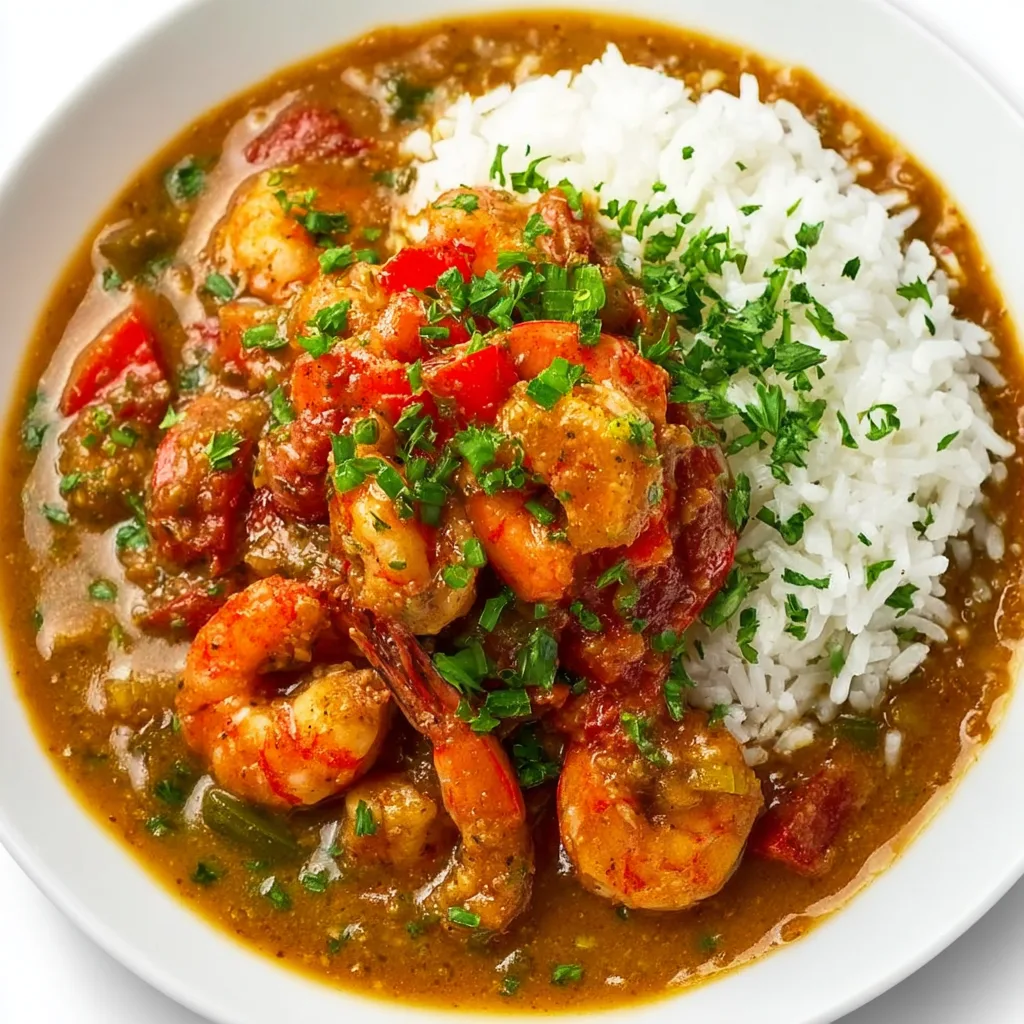
Authentic Cajun Crawfish Étouffée has been my absolute obsession since that unforgettable trip to New Orleans where I first tasted this rich, saucy treasure. The way those plump crawfish tails swim in that velvety roux-based sauce, speckled with the “holy trinity” of Cajun cooking—bell peppers, onions, and celery—creates pure magic on your taste buds. There’s something deeply comforting about how the complex flavors develop slowly, like all the best stories from Louisiana. If you’re craving a dish that’s both soulful and sophisticated, this traditional Cajun masterpiece delivers warmth in every spoonful.
Table of Contents
Recipe
Print
Authentic Cajun Crawfish Étouffée
- Total Time: 45
- Yield: 4 servings
Description
This Authentic Cajun Crawfish Étouffée is a soul-warming Southern classic. Loaded with plump crawfish tails, a rich roux-based gravy, and bold Louisiana spices, it’s comfort food that brings the bayou to your table.
Ingredients
1/4 cup unsalted butter
1/4 cup all-purpose flour
1 small onion, finely chopped
1 green bell pepper, finely chopped
2 celery stalks, finely chopped
3 cloves garlic, minced
1 tablespoon Cajun seasoning
1/2 teaspoon paprika
1/4 teaspoon cayenne pepper (optional)
1 1/2 cups seafood or chicken stock
1 lb crawfish tails (thawed if frozen)
2 tablespoons tomato paste
1 teaspoon Worcestershire sauce
Salt and pepper to taste
2 tablespoons green onions, chopped
2 tablespoons parsley, chopped
Steamed white rice, for serving
Instructions
1. In a heavy-bottomed skillet or Dutch oven, melt butter over medium heat. Whisk in flour and stir constantly to create a golden roux (about 5–7 minutes).
2. Add onion, bell pepper, and celery. Sauté until softened, about 5 minutes.
3. Stir in garlic, Cajun seasoning, paprika, and cayenne. Cook 1 minute until fragrant.
4. Whisk in stock gradually to avoid lumps. Stir in tomato paste and Worcestershire.
5. Simmer 10–12 minutes until thickened and flavorful.
6. Add crawfish tails and cook another 5–7 minutes until heated through.
7. Taste and adjust salt and pepper as needed.
8. Serve over hot steamed rice and garnish with green onions and parsley.
Notes
• Use shrimp if crawfish isn’t available.
• Control spice by adjusting cayenne and Cajun seasoning.
• For a richer taste, add a splash of cream or butter at the end.
- Prep Time: 15
- Cook Time: 30
- Category: Main Dish
- Method: Stovetop
- Cuisine: Cajun
Why You’ll Love This Authentic Cajun Crawfish Étouffée
A True Taste of Louisiana
The beauty of authentic étouffée lies in its perfect balance of flavors. Unlike some Americanized versions that go heavy on the heat, real Cajun étouffée celebrates the delicate sweetness of crawfish with just enough spice to make things interesting. I remember sitting at a weathered wooden table in a tiny Cajun restaurant, watching my spoon glide through that brick-red sauce, releasing the aroma of fresh herbs and seafood. The first bite transported me—buttery, rich, with that distinctive depth that only comes from a properly made roux. You’ll love how each component harmonizes rather than competes.
Impressive Yet Approachable
Don’t let the fancy French name intimidate you! While étouffée (which means “smothered”) sounds sophisticated, it’s essentially comfort food at heart. The technique is straightforward—make a roux, add the trinity, incorporate stock and crawfish, then let everything simmer to perfection. I was surprised how manageable the process was when I first attempted it in my own kitchen. The recipe follows a logical progression that even novice cooks can master. Plus, there’s something incredibly satisfying about watching guests’ eyes light up when you casually mention you’ve made crawfish étouffée from scratch!
Essential Tips & Tricks
Mastering the Roux
The foundation of étouffée is undoubtedly the roux—equal parts fat and flour cooked until it reaches the perfect color. For authentic Cajun crawfish étouffée, you’re aiming for a peanut butter to copper penny shade—not as dark as gumbo but well beyond blonde. I learned the hard way that patience is essential here! Keep the heat medium-low and stir constantly. The moment I smell that nutty aroma wafting through my kitchen, I know I’m on the right track. Remember, a properly made roux takes time (about 15-20 minutes), but it’s where all that incredible depth of flavor develops.
Sourcing Quality Ingredients
Nothing elevates your étouffée like fresh crawfish tails. While frozen work in a pinch, freshly cooked and peeled tails have an incomparable sweetness. If crawfish aren’t available, shrimp make a delicious substitute—just like in this Shrimp Newburg Recipe. For authentic flavor, seek out real Cajun seasonings rather than generic “Cajun” blends that often contain mostly salt and paprika. The holy trinity vegetables should be diced uniformly for even cooking. And don’t forget fresh thyme and bay leaves—these aromatics might seem minor, but they’re crucial for that authentic Louisiana profile.
Serving Ideas & Creative Variations
Classic Pairings
Traditionally, Authentic Cajun Crawfish Étouffée is served over a bed of fluffy white rice that soaks up all that glorious sauce. I love using long-grain rice cooked just until tender—slightly firmer than you might normally prepare it. For a complete experience, add a side of crusty French bread for sopping up every last drop (because trust me, you won’t want to waste any). A simple side salad with vinaigrette provides a welcome brightness against the rich étouffée. For special occasions, I start with a small cup of Creamy Cauliflower Carrot Soup as a light appetizer before the main event.
Modern Twists
While I’m a purist at heart, there are some delicious variations worth exploring. Try serving étouffée over creamy grits instead of rice for a delightful textural contrast. For a fusion approach, use the étouffée as a topping for baked potatoes or folded into an omelet for an extraordinary brunch. Some creative cooks even use it as a sauce for pasta—particularly angel hair or linguine. If you’re watching carbs, cauliflower rice makes a surprisingly good base. For gatherings, mini phyllo cups filled with a spoonful of étouffée make elegant appetizers that disappear in seconds!
Storage & Troubleshooting Guide
Proper Storage Methods
Étouffée actually improves with time as the flavors meld together, making it perfect for make-ahead meals. Store leftovers in airtight containers in the refrigerator for up to 3 days. For freezing, I recommend portioning the étouffée into individual servings without rice (add fresh rice when reheating). Cool completely before freezing and use within 2 months for best quality. When reheating, do so gently over low heat, adding a splash of stock or water if needed to maintain that silky consistency. The texture of the crawfish may change slightly after freezing, but the flavor remains delicious.
Common Issues & Solutions
The most frequent problem with étouffée is a broken sauce, where the fat separates from the other ingredients. This typically happens when reheating too quickly or at too high a temperature. The fix is simple: remove from heat and whisk vigorously until recombined, then continue heating gently. If your sauce is too thick, gradually add warm stock until you reach the desired consistency. Too thin? Make a small amount of roux in a separate pan and whisk it in. If you accidentally oversalted, a squeeze of lemon juice can help balance the flavors without diluting that rich taste.
Frequently Asked Questions
What exactly is Authentic Cajun Crawfish Étouffée?
Authentic Cajun Crawfish Étouffée is a traditional Louisiana dish featuring crawfish tails smothered in a rich, roux-based sauce made with the “holy trinity” (onions, bell peppers, celery), seasoned with Cajun spices, and typically served over rice.
Can I use shrimp instead of crawfish?
Absolutely! Shrimp étouffée is delicious and more accessible when crawfish aren’t available. Use the same amount of peeled, deveined shrimp and reduce the cooking time slightly as shrimp cook faster than crawfish.
What’s the difference between étouffée and gumbo?
Étouffée is thicker and creamier than gumbo, uses a lighter roux, and typically features one main protein (usually crawfish). Gumbo has a darker roux, thinner consistency, often contains multiple proteins, and includes okra or filé powder.
How spicy is traditional étouffée?
Traditional Cajun étouffée has a moderate heat level that complements rather than overwhelms the delicate crawfish flavor. You can easily adjust the cayenne pepper to suit your preference.
Can étouffée be made ahead for a party?
Yes! Étouffée actually improves after a day in the refrigerator as flavors meld. Make it up to two days ahead, store refrigerated, and gently reheat before serving. Prepare fresh rice just before guests arrive.
Final Thoughts
There’s something magical about serving Authentic Cajun Crawfish Étouffée that transforms an ordinary dinner into a celebration. The rich history behind this dish connects us to generations of Cajun cooks who perfected these techniques through centuries of tradition. Whether you’re making it for a special occasion or simply craving something deeply satisfying, this étouffée delivers an experience that’s both comforting and exciting. I hope you’ll try this recipe and create your own memories around the table, savoring each flavorful bite. For more delicious inspirations, follow my collection on Pinterest.